 †
†

 †
†
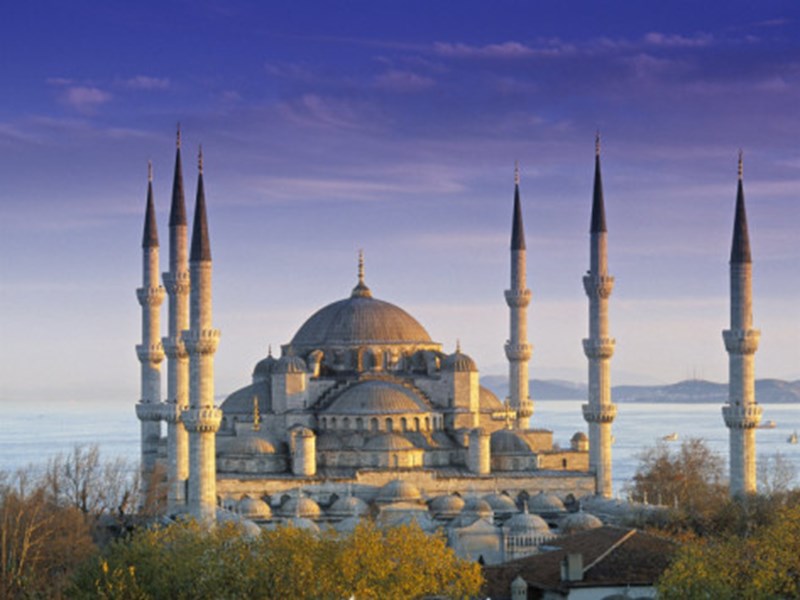
Travelling to Turkey could be the trip of a lifetime. Whether you're visiting Istanbul's historic mosques, exploring Cappadocia's hot air balloon rides, or jet skiing on Antalya's Mediterranean beaches, proper preparation is key to ensuring a smooth and enjoyable trip. If you're travelling to Turkey from Australia, Fast Cover's Turkey travel guide provides essential travel advice and requirements, safety tips, and practical information to help you plan your trip and navigate Turkey.
Any advice is general advice only and doesn't consider your personal circumstances.
Turkey Travel Advice Level Explained
Wondering if it's safe to travel to Turkey? Whilst Turkey is a popular destination for Australian travellers, it's always wise to stay informed about any travel advisories or travel alerts when planning your trip.
Travel Advisories
Before leaving for your trip, make sure to check the latest travel advice for Turkey on the Australian Government's Smartraveller website for up-to-date travel advisories and entry requirements for Turkey.
Travel Alerts
Fast Cover also monitors travel conditions and issues timely travel alerts to keep our customers informed and updated on situations that may impact their travel to Turkey.
Learn more about how to choose a safe travel destination for your next holiday.
How to Prepare for a Trip to Turkey
Being prepared before you travel to Turkey can help you manage unexpected events more easily. These actionable tips can help you prepare for your holiday to Turkey.
Check Travel Requirements
You'll need an e-visa for tourism or business if you're staying for less than 90 days in a 180-day period. A passport valid for at least 6 months (180 days) from the date of entry into Turkey, with at least two unused pages for verification stamps is required. Entry and visa requirements for Turkey may change depending on the nature and duration of your trip.
Research Turkish Destinations
From Istanbul's Grand Bazaar to Cappadocia's ancient cave dwellings and Pamukkale's thermal pools, Turkey offers diverse experiences. Research your chosen destinations and understand local customs, particularly when visiting religious sites.
Plan Your Activities
From hot air balloon rides in Cappadocia to exploring ancient ruins and enjoying thermal springs, Turkey offers unique experiences for everyone. Check if your planned activities are covered under your travel insurance policy.
Pack Smart
Turkey's weather varies by season and region. The Mediterranean coast experiences hot, dry summers and mild winters, while central Anatolia has temperature extremes. Pack accordingly for the regions and season you will be travelling in, as well as for the types of activities you will be participating in on your trip to Turkey.
Organise Travel Insurance
Travel insurance for Turkey can provide cover for unexpected events like overseas medical emergencies, trip cancellation, or lost luggage. Fast Cover offers a wide range of policies for Australian travellers that can be customised depending on the travellers' individual needs, so you can make the most of your trip to Turkey.
Travel Documents
Organise your travel documents before you depart for your trip. Keep copies of your itinerary, flight tickets, passport, visas, accommodation details, tour and activity tickets, and any pre-arranged transport tickets. Don't forget your travel insurance policy and emergency assistance contact information.
Safety Advice for Travelling in Turkey
Travelling through Turkey can be an exciting adventure. Staying alert and considering safety precautions can make all the difference on your trip to Turkey. Use our Turkey travel guide to stay informed of general risks and safety tips.
Crime and Travel Scams in Turkey
While tourists are generally safe, you may fall victim to petty crime and travel scams. Familiarising yourself with local tourist scams and staying cautious ensures a safer and smoother experience when travelling to Turkey from Australia.
Pickpocketing and Bag Snatching
Common in crowded tourist areas like the Grand Bazaar and popular attractions. Keep your personal belongings secure and avoid displaying expensive items openly.
Tour Safety and Scams
Be cautious of unsolicited tour offers and always book through reputable operators. Verify credentials and read reviews before committing to any tours.
Inflated Taxi Prices
Some taxi drivers may attempt to overcharge tourists. Use official taxi stands, ensure the meter is running, or agree on a fare beforehand.
Money Dining Scams
Be aware of establishments that may inflate prices for foreign visitors. Check menus and prices before ordering, particularly in tourist areas.
Food and Drink Spiking
There have been several recent deaths reported in Istanbul and Ankara from methanol in counterfeit drinks. Stick to reputable venues and be wary of suspiciously cheap alcohol.
Alcohol and Methanol Poisonin
Always purchase alcohol from licensed establishments and avoid suspiciously cheap drinks that may contain dangerous substances.
Civil Unrest and Terrorism in Turkey
Smartravellers advises Australians travelling to Turkey to exercise a high degree of caution in Turkey overall due to the threat of terrorism. Demonstrations and protests may occur with little warning, particularly in major cities. It is advisable to avoid demonstrations and protests and monitor local media for updates.
Safety for Sports and Adventure Activities
From paragliding in Oludeniz to hiking in Cappadocia and skiing in the Taurus Mountains, Turkey offers exciting activities for travellers. Ensure you have the relevant skills and safety equipment for the activities you will be participating in and follow your instructor's safety briefing. Always use reputable operators with proper safety certifications and insurance. Consider taking out travel insurance to provide cover for your chosen activities in Turkey.
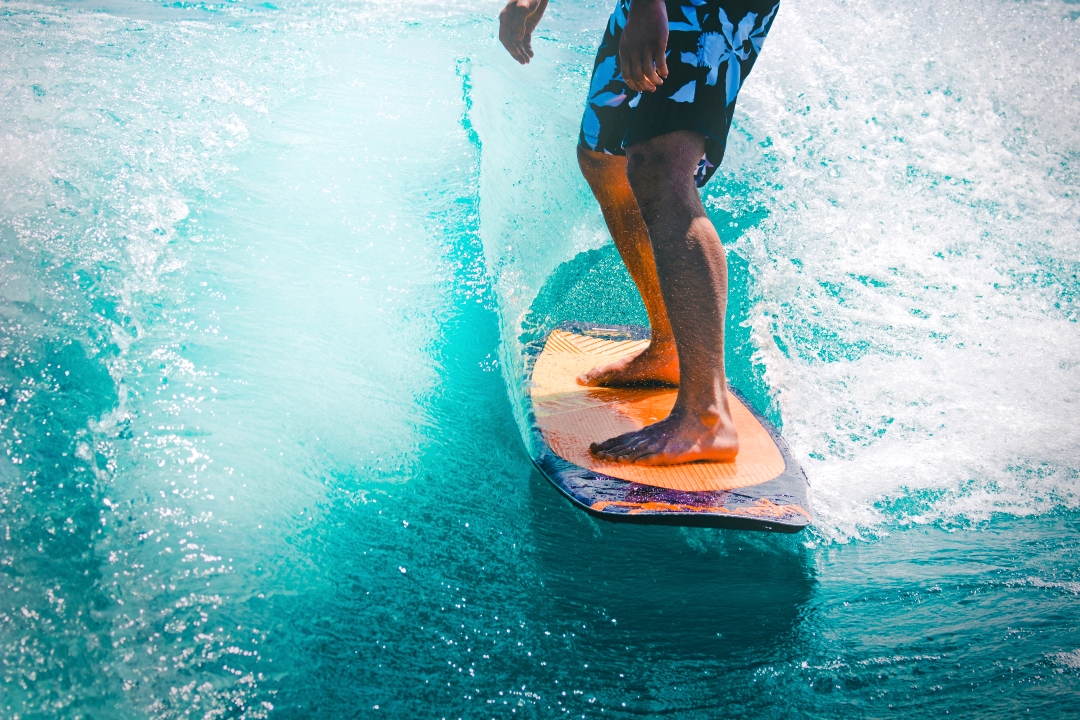
Sports and Leisure Activities
Fast Cover’s list of Covered Sports and Leisure Activities provide cover for a wide range of activities.

Adventure Activities
Fast Cover's optional Adventure Pack provides cover for many more adventure activities for an added premium.

Ski and Snow Sports
Fast Cover’s Snow Sports Plus Policy is available to provide cover for costs associated with ski and snow sports whilst overseas.
Always check the eligibility criteria, policy terms, conditions, exclusions and limits that apply. Consider the PDS prior to deciding on which policy is right for you and your needs.
Climate and Natural Disasters in Turkey
Turkey's climate and natural geography create unique weather conditions. Researching your destinations and understanding the potential natural disasters will help you prepare for your trip to Turkey. Remember, Fast Cover's travel alerts can also provide updates during severe weather events.
Earthquakes
Turkey sits on several major fault lines including the North Anatolian fault making earthquakes a constant risk. Modern building codes have improved safety standards, but travellers should familiarise themselves with earthquake safety procedures.
Flooding
Heavy rainfall, particularly in the Black Sea region and coastal areas, can cause severe flooding and landslides. Flash floods can occur with little warning, particularly in mountainous regions.
Fires
Bush and forest fires often occur during the summer months, from June to September. If travelling to Turkey during the summer months, familiarise yourself with fire evacuation procedures and follow instructions from local authorities.
When is the Best Time to Visit Turkey?
The best time to visit Turkey will vary for travellers as it depends on your interests, planned activities and weather preferences. Each season offers unique opportunities to explore the diverse landscapes of Turkey.
|
Season |
Winter |
Spring |
Summer |
Autumn |
|
Months |
December-February |
March-May |
June-August |
September-November |
|
Weather Conditions |
Cool and wet on coasts, cold and snowy inland |
Mild temperatures, occasional rain |
Hot and dry, especially inland |
Warm days, cooler evenings |

Popular Activities in Turkey in Winter
- Skiing and Winter Sports: The ski resorts in Uludağ and Palandöken offer excellent winter sports opportunities with reliable snow conditions.
- Thermal Springs: Visit Pamukkale's famous white terraces and thermal pools, particularly enjoyable in cooler weather.
Popular Activities in Turkey in Spring
- Tulip Season: Experience Istanbul's tulip gardens and festivals, celebrating the flower's Turkish origins.
- Hiking and Outdoor Activities: Perfect weather for exploring Cappadocia's valleys and the Lycian Way coastal trail.

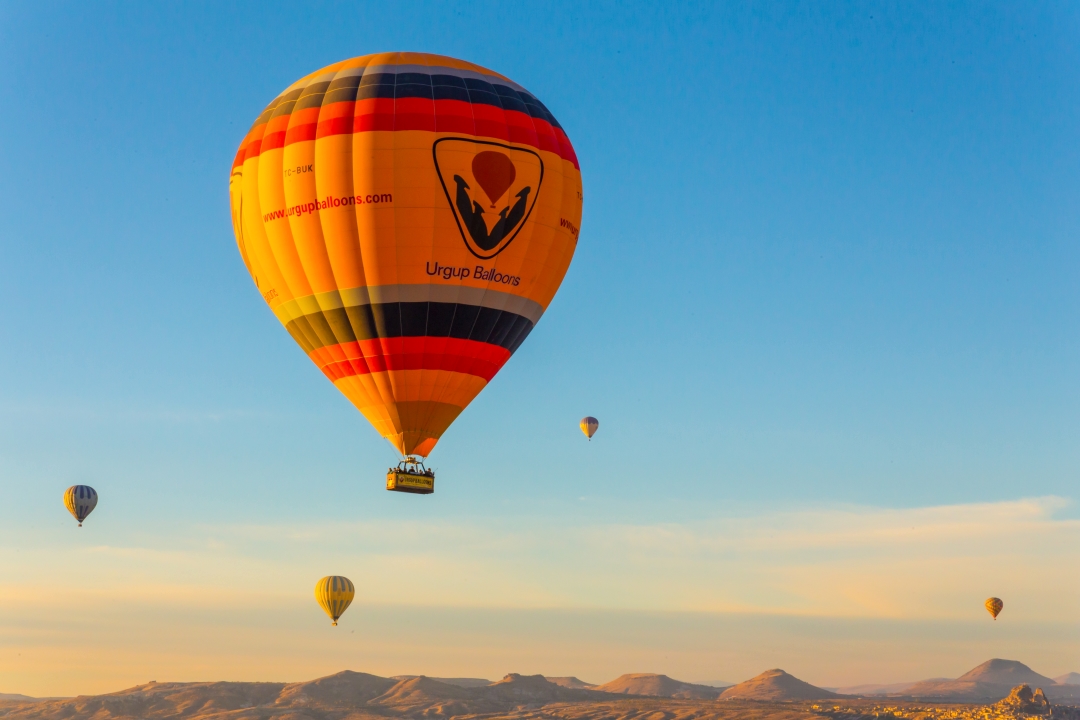
Popular Activities in Turkey in Summer
- Beach Activities: Enjoy the Mediterranean and Aegean coasts with crystal-clear waters and numerous beach resorts.
- Hot Air Balloon Rides: Summer offers the most reliable weather conditions for Cappadocia's famous balloon flights.
Popular Activities in Turkey in Autumn
- Cultural Tourism: Ideal temperatures for exploring Istanbul's historical sites and ancient ruins without summer crowds.
- Harvest Festivals: Experience local wine harvest celebrations in regions like Cappadocia and the Aegean coast.
Public Holidays in Turkey
Being aware of Turkey's public holidays can help you avoid crowded travel days, packed tourist sites, and increased costs. It’s also a great chance to experience special events, such as public parades and fireworks, while preparing for closures or national celebrations.
|
Date |
Official Public Holidays in Turkey |
|
January 1 |
New Year's Day |
|
April 23 |
National Sovereignty and Children's Day |
|
May 1 |
Labour and Solidarity Day |
|
May 19 |
Commemoration of Atatürk, Youth and Sports Day |
|
July 15 |
Democracy and National Unity Day |
|
August 30 |
Victory Day |
|
October 29 |
Republic Day |
Ready to Embark on your Turkish Adventure?
Explore the benefits and cover options available with Fast Cover’s travel insurance for your trip to Turkey.
Health Advice for Travelling to Turkey
Here's what you need to know about health risks, healthcare, and medication when travelling in Turkey.
Health Risks when Travelling in Turkey
Health risks in Turkey are generally similar to Australia, however, Turkey's diverse climate poses some unique health risks. There are some common health risks to be aware of before you travel to turkey:
Medical Tourism
Turkey is a popular destination for dental treatments, cosmetic surgery, and hair transplants. If you’re considering a procedure in Turkey, make sure you research the facilities and understand if you have coverage under your travel insurance. Most travel insurers don’t provide cover for elective medical, dental and cosmetic procedures.
Insect-Borne Illnesses
Mosquitoes can carry diseases like West Nile virus, particularly in wetland areas. Use insect repellent and protective clothing during peak mosquito activity.
Infectious Diseases
Standard precautions against common infectious diseases apply, including proper hand hygiene.
Measles
Consult your doctor to discuss updating your vaccinations before travelling.
Tap Water
While generally safe in major cities, bottled water is recommended, particularly in rural areas and for sensitive stomachs.
Healthcare in Turkey
Turkey has a well-developed healthcare system with modern facilities, particularly in major cities. Public and private hospitals are available, with many private facilities meeting international standards. Pharmacies are widely available and well-stocked. Nonetheless, emergency medical and hospital expenses can become costly for travellers.

Fast Cover's Medical Benefits
Fast Cover’s international travel insurance policies include:
- overseas 24/7 emergency medical assistance,
- overseas emergency medical and hospital expenses,
- overseas emergency dental, and
- overseas emergency medical evacuation and repatriation
to help cover you if you become unexpectedly injured or sick while in Turkey.
Travel Insurance for Existing Medical Conditions
If you have an existing medical condition, Fast Cover may be able to provide some cover. You’ll need to complete a medical screening process online or call our Aussie based sales team.
To find out more about our medical screening process, and how the policy will apply in relation to an existing medical condition, please read and consider the PDS for eligibility criteria, terms, conditions, exclusions, limits and sub limits that apply.
Eligibility criteria, policy terms, conditions, exclusions and limits apply. Consider the PDS prior to deciding on which policy is right for you and your needs.
Medication in Turkey
Before travelling to Turkey from Australia, check with Turkish customs or health authorities to confirm that your medication is permitted. If you’re bringing medication from Australia, particularly prescription drugs, some may require official permits or clearance to comply with local regulations. For example, certain painkillers that are common in Australia might be restricted in Turkey.
Follow these steps to prepare for travelling to Turkey with medication and avoid potential issues at customs:
Check Turkey's Medication Regulations
Contact the Turkish Ministry of Health or Turkish consulate to verify if your medications require special permits or declarations.
Obtain a Permit for Restricted Medications
Some controlled substances require advance approval from Turkish health authorities before entry.
Carry Documentation
Always travel with original prescription bottles, a doctor's letter describing your medical condition and treatment, and any required permits.
Travel Limits
Carry only the amount needed for your trip duration for personal use.
Turkish Laws and Customs for Travellers
Understanding laws and customs in Turkey will help you avoid misunderstandings with locals and local authorities. Keep in mind that travel insurers generally don't cover you when your claim arises for breaking the law, so it's best to familiarise yourself with Turkish laws before your trip.
Obeying Local Laws When Travelling Through Turkey
Following local laws is key to having a hassle-free trip to Turkey. Here are a few tips to help you stay on the right side of the law.
Registration and Identification
By law, you must always carry a photo ID. Police conduct random checks regularly. Turkish authorities may not accept Australian driver's license as ID. Carry your passport with you at all times.
Special Military Zones
Some areas near military installations and the Turkey-Syria border are restricted. Photography of military sites is prohibited and can result in arrest.
Use and Possession of Drugs and Alcohol
Updated information on the risks of being involved with illegal drugs, including cannabis. This includes risk of arrest if you are found carrying drugs when transiting through airports. Turkey has zero tolerance for drug offences, with severe penalties including lengthy prison sentences.
Traffic Offences
Turkey has strict traffic laws with significant penalties for violations. International driving permits are required for foreign drivers.
Social Customs in Turkey
Respect and etiquette are important in Turkey. Follow these tips to help navigate social situations in Turkey.
Food and Restaurant Etiquette
Tipping is customary (10-15% in restaurants). Remove shoes when entering homes and some establishments. Wait to be seated and follow local dining customs.
Religious Site
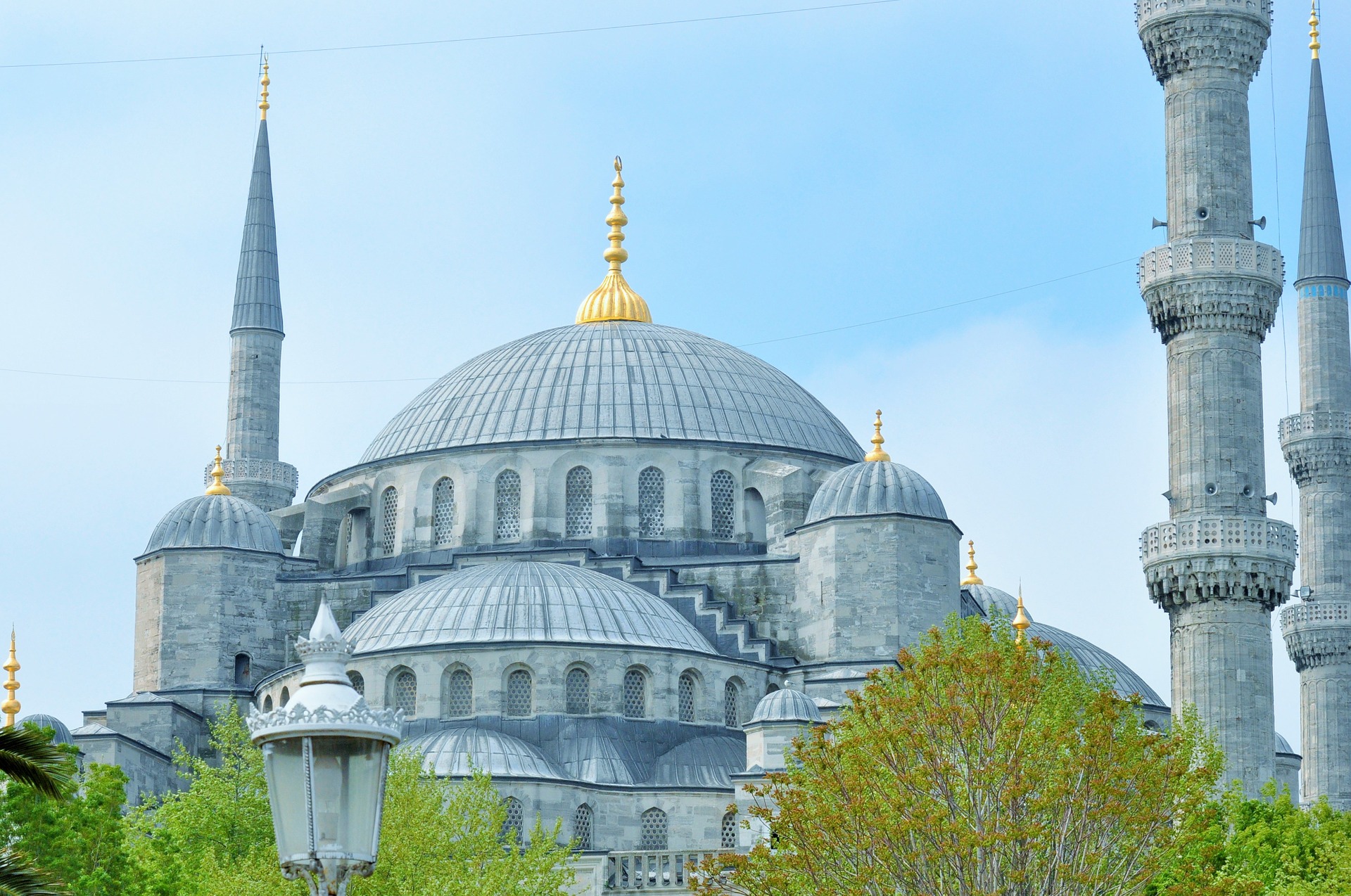
Dress modestly when visiting mosques and religious sites. Women should cover their heads, arms, and legs. Remove shoes before entering prayer areas.
Ramadan
Ramadan is celebrated throughout Turkey. Respect fasting customs and traditions during this holy month. In public, between sunrise and sunset, be discreet when eating, drinking, or smoking.
Visa and Entry Requirements for Travelling to Turkey
Australian citizens need to apply for a visa before traveling to Turkey. The Electronic Visa (e-Visa) Application System allows visitors travelling to Turkey e to easily obtain their e-Visas online in approximately three minutes.
Passport Requirements in Turkey
A passport valid for at least 6 months from the date of entry into Turkey, with at least two unused pages for verification stamps is required. Make sure to renew your passport in advance to avoid travel disruptions. Learn how to keep your passport safe while travelling in Turkey.
It is important to note that your travel insurance policy may not provide cover if you do not comply with Turkey's visa or other entry requirements. To help ensure you are prepared for your trip, you should research and understand the relevant entry conditions before you travel.
Advice for Tourists Travelling in Turkey
A trip to Turkey promises amazing experiences, from exploring ancient ruins to enjoying vibrant bazaars. Make sure you’re prepared by learning about practical details like currency, staying connected and transport options. For more guidance, check the official GoTurkiye website.
Currency in Turkey
The official currency in Turkey is the Turkish Lira (TRY). You may also see the code TRY and the currency symbol ₺. Check current rates on currency converter sites before your trip.
Common Payment Methods in Turkey
Credit cards have become the primary way of paying in Turkey. However, cash is still widely used, particularly for small purchases, tips, and in rural areas. ATMs are readily available throughout Turkey, and major credit cards are accepted at most hotels, restaurants, and shops in tourist areas.
Internet and Wi-Fi in Turkey
Turkey has good internet infrastructure with widespread Wi-Fi availability in hotels, restaurants, cafes, and public transport stations. Mobile data coverage is excellent in cities and tourist areas. Consider purchasing a local SIM card or international roaming plan for connectivity during your trip.
Mobile Phones and eSIMs in Turkey
Turkey's mobile network coverage is comprehensive across the country. International roaming is available through most Australian providers, though costs can be high. Local SIM cards are readily available and offer better value for extended stays. eSIM services are also available from major Turkish providers for compatible devices.
Travel Adaptors and Electronics
Turkey uses Type C and Type F electrical outlets (230V, 50Hz). Pack a universal adaptor or specific European-style plugs. Ensure your electronic devices are compatible with Turkish voltage standards.
What Should You Pack for a Trip to Turkey?
Planning what to pack for Turkey ahead of time will ensure you're well-prepared and have taken measures for a stress-free holiday when it comes time to go. Here's our guide on what to pack for your holiday to Turkey.
Seasonal and Regional Packing
Pack layers for Turkey's diverse climate zones.
Warmer Seasons
Pack lightweight, breathable clothing for summer coastal visits like linen and cotton. Consider packing coverups for beach visits and modest clothing for religious sites. Don’t forget comfortable walking shoes.
Cooler Seasons
Pack warm outerwear such as a thick coat or insulated jacket. Pack gloves, a scarf, and thermals for extra warmth. Don’t forget waterproof shoes with good grip, particularly if you’ll be in the snow.
Luggage Safety
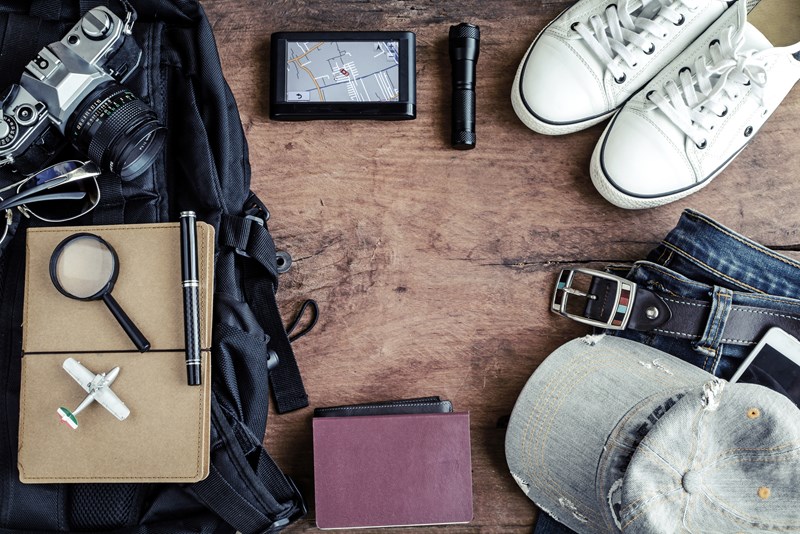
Using a TSA-approved lock with a unique pin is a smart way to protect your belongings when travelling to Turkey. Adding a tracking tag can also help you locate your bags, particularly if you’re travelling between cities like Istanbul and Cappadocia.
Luggage and Personal Effects Insurance
Fast Cover's luggage and personal effects benefit may provide cover for theft, loss, or damage to your luggage and personal items. If you're travelling to Turkey with high-value items, you can declare many of them as specified high-value items to help cover them for more than what they are currently covered for under the standard policy terms and conditions.
Eligibility criteria, policy terms, conditions, exclusions, limits and sub limits apply. Consider the PDS prior to deciding on which policy is right for you and your needs.
Transport in Turkey: Getting Around Turkey
Turkey has a well-developed transportation network connecting major cities and tourist destinations. Public transport systems are modern and efficient, particularly in major cities like Istanbul and Ankara.
Riding a Motorcycle, Moped or Scooter in Turkey
Motorcycle and scooter rentals are popular for exploring coastal areas and cities. A valid motorcycle licence and International Driving Permit are required. Helmets are mandatory and traffic awareness is essential due to busy road conditions.
Rental Vehicles in Turkey
Car rental is available from international and local companies at airports and city centres. An International Driving Permit is required alongside your Australian licence. Traffic can be challenging in major cities, but driving offers flexibility for exploring rural areas.
Trains
Turkey's railway network connects major cities with modern, comfortable trains. The high-speed train service operates between Istanbul, Ankara, and Konya, offering efficient travel between these destinations.
Buses
Turkey has an extensive bus network with comfortable, air-conditioned coaches connecting virtually every destination. Major companies like Metro Turizm and Kamil Koç provide reliable services with frequent departures between cities.
Taxis and Ride-Sharing Apps
Official taxis are widely available in cities and tourist areas. Ensure the meter is running or agree on a fare beforehand. BiTaksi and Uber operate in major cities, providing convenient ride-sharing options.
Sea Travel
Ferry services operate along Turkey's extensive coastline, connecting cities and providing scenic travel options. Regular services run between Istanbul's European and Asian sides, and to nearby islands.
Driving Permits and License Requirements
To drive in Turkey, travellers need an International Driving Permit (IDP) alongside their valid Australian licence. IDPs can be obtained in Australia before departure. Ensure you carry your passport, Australian driver's licence, and rental vehicle insurance at all times.

Coverage for Riders and Passengers with Fast Cover's Motorcycle Pack
Fast Cover’s Motorcycle Pack is an optional extra available under our International policies that may provide cover to you for being the rider or passenger on a:
- Motorcycle,
- Moped, or
- Scooter.

Fast Cover’s Rental Vehicle Excess Benefit
Fast Cover’s Rental Vehicle Excess benefit may provide cover for the rental vehicle excess component of your rental vehicle insurance with your car hire company in Turkey, up to the specified limit in your travel insurance policy. This benefit applies to a:
- Four-wheel drive or minibus/people mover, or
- Sedan, hatchback, or station wagon,
- A campervan or motorhome (up to 4.5 tonnes),
rented from a licensed motor vehicle rental company (including vehicles rented from peer-to-peer carsharing platforms).
Eligibility criteria, policy terms, conditions, exclusions, limits and sub limits apply. Consider the PDS prior to deciding on which policy is right for you and your needs.
Important Contact Information in Turkey
Having the right contact information on hand can make all the difference in an emergency. Save these essential details before your trip to Turkey.
Turkey International Country Code: +90
This code is vital if someone needs to reach you on a Turkish mobile number, especially when using services like an eSIM. For example, dial +90 followed by the local number (dropping the initial 0) to make a call.
Emergency Contacts in Turkey
- Police, Fire and Ambulance: 112
- Tourist Police (Istanbul): (+90) 212 527 4503
- Coast Guard: 158
Australian Embassy in Turkey
- Website: turkey.embassy.gov.au
- Phone Number (Ankara): +90 312 459 9500
- Phone Number (Istanbul): +90 212 393 3300
Fast Cover 24/7 Emergency Assistance
- In Australia: 02 8320 7999
- Overseas: +61 2 8320 7999
- Email: emergency@fastcover.com.au (monitored 24/7)
FAQs
Whilst Turkey is a popular destination for Australian travellers, changing civil, political and climate conditions may change whether Turkey is considered a safe destination to travel to. It's important to stay informed about local conditions and follow safety advice from the Australian Government via Smartraveller and any travel alerts issued by your travel insurance provider.
The currency in Turkey is the Turkish Lira (TRY), with the symbol ₺. Credit cards are widely accepted in tourist areas, but cash is still useful for small town purchases, tips, and rural areas. ATMs are readily available throughout the country.
The ideal time to travel to Turkey depends on your interests, activities, and weather preferences. Spring (March-May) and autumn (September-November) offer mild weather and fewer crowds. Summer is perfect for coastal activities and hot air balloon rides, while winter offers skiing and fewer tourists at major attractions.
Before you travel to Turkey from Australia, make sure to research your travel destinations and the activities you will do in Turkey, so that you can pack accordingly. Ensure your passport is valid and check visa requirements. Consider purchasing travel insurance for your trip to Turkey. Fast Cover offers travel insurance policies that can be customised with optional extras to suit many travellers travel plans to Turkey.
Turkey Travel Hub
Discover travel resources, advice and tips for your next holiday to the Turkey.
Europe & Schengen Entry and Visa Requirements
Travelling to Europe for tourism, business, work or study? We've put together a guide on European and Schengen entry and visa requirements to help you get your head around the right travel documents for your trip. Learn about visa exemptions and the European Travel Information and Authorisation System (ETIAS).

Ultimate Euro Summer Checklist
Planning to escape the Aussie winter for a Euro summer? Check out our ultimate checklist of must-haves and must-dos before you head to Europe. Get ready for an unforgettable trip!
Travel Insurance for Turkey
Whether you’re hot air ballooning over Cappadocia, exploring the ruins of Ephesus, or relaxing in the vibrant bazaars of Istanbul, Fast Cover’s Turkey travel insurance offers different levels of cover to suit many types of travel in Turkey.
